
Introduction
Have you ever stood in the kitchen, wondering how to transform your dietary habits into a lifestyle that prioritizes health and wellness? You're not alone. This is where nutrient-dense recipes come into play. With the rise of health-conscious individuals and fitness enthusiasts who juggle busy schedules yet strive for balanced nutrition, it's no surprise that more people are seeking personalized nutrition information.
Welcome to aicalorieguide.com, an AI-powered calorie guide dedicated to assisting users like yourself in tracking their calorie intake with precision using state-of-the-art artificial intelligence technology. In this comprehensive blog post, we'll explore some amazing nutrient-dense recipes that can fuel your body and help you live healthier without compromising on taste or satisfaction. Our focus will be on wholesome ingredients like kale, quinoa, and salmon while leveraging our advanced AI technology to track caloric intake effectively.
We have four main sections lined up for you: 1) Understanding Nutrient-Density; 2) How AI Technology Assists in Calorie Tracking; 3) Impact of Nutrient-Dense Recipes on Health Outcomes; and 4) Top Nutrient-Dense Recipes for Beginners. A common question we'll answer along the way is: What makes certain ingredients nutrient-dense?
Understanding Nutrient-Density
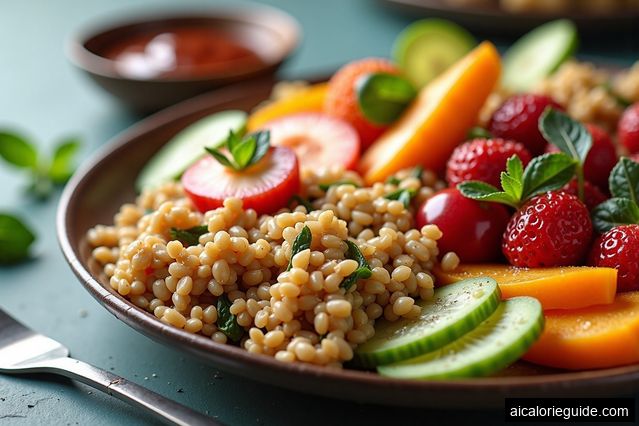
Nutrient density refers to the amount of essential nutrients packed into each bite of a food item relative to its calorie content. Certain foods like kale, quinoa, and salmon are considered nutrient-dense because they contain high amounts of macronutrients (like protein or fiber) and micronutrients (such as vitamins or minerals) while being relatively low in calories.
Nutrient Density: The concentration of essential nutrients per unit volume or weight of food, offering maximum nutritional benefits with minimal calorie intake.
In other words, these nutrient-dense foods are like the superheroes of your diet – they pack a punch when it comes to providing your body with the necessary fuel to function optimally. They promote better health outcomes and keep you feeling satisfied longer. So how does AI come into play? Let's dive deeper into this exciting frontier!
The Role of AI in Calorie Tracking
Artificial intelligence technology has revolutionized the way we track our caloric intake. Our unique platform, aicalorieguide.com, uses advanced algorithms and machine learning techniques to help users accurately measure their calorie consumption based on their personal dietary habits and preferences.
This personalized nutrition information allows you to make informed dietary choices that cater specifically to your needs, ensuring that you're not only meeting your daily calorific requirements but also consuming a balanced diet rich in essential nutrients. It's like having a personal dietitian at your fingertips – all day every day!
Impact of Nutrient-Dense Recipes on Health Outcomes
Numerous clinical studies highlight the significant positive impact of nutrient-dense ingredients on overall health outcomes. For instance, including kale in your diet can supply your body with ample amounts of Vitamin K which aids in blood clotting and promotes bone health according to Harvard Medical School research.
In similar vein, quinoa is an excellent source of complete protein and fiber, as highlighted by the Whole Grains Council. This incredible grain supports digestive health and keeps you satiated for longer periods, helping in weight management. Consuming salmon regularly can provide vital Omega-3 fatty acids that are beneficial for heart health, as per Mayo Clinic studies.
- Eat more leafy greens like kale to boost your Vitamin K intake
- Incorporate grains such as quinoa into meals for a dose of complete protein and fiber
- Add fatty fish like salmon into your diet frequently to reap the benefits of Omega 3s
Top Nutrient-Dense Recipes for Beginners
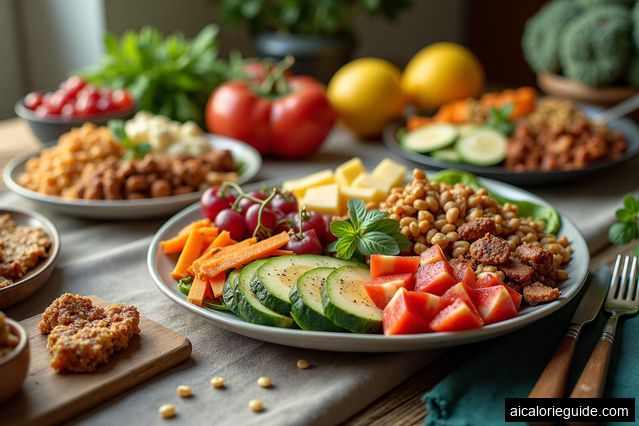
Starting a nutrient-dense diet may seem daunting at first, but it doesn't have to be challenging. Here are some beginner-friendly recipes that you can whip up in your kitchen without needing advanced culinary skills.
1) Kale and Quinoa Salad: A refreshing recipe that combines the nutritional powerhouses of kale and quinoa with crunchy almonds for extra protein and texture. With our AI calorie guide's assistance, you'll know exactly how many calories this delicious dish contains!
2) Baked Salmon with Lemon and Dill: A simple yet delicious dish brimming with Omega-3 fatty acids from the salmon complemented by refreshing flavors from lemon zest and dill sprigs. It's not just about flavor; it’s also about nourishing your body effectively.
These easy-to-make recipes not only taste scrumptious but also provide your body with essential nutrients while keeping calorie count in check – all thanks to our AI-powered calorie guide.
Conclusion
In conclusion, incorporating nutrient-dense foods into your diet is a key step towards living a healthier lifestyle. With our intuitive AI-powered calorie guide at aicalorieguide.com, you're equipped to make informed dietary choices that align with your health goals and personal preferences.
We hope this exploration of nutrient-dense recipes has inspired you to start cooking more nourishing meals. The journey towards better health doesn't have to be tedious – it can be exciting and delicious! So why wait? Start fueling your body with these amazing recipes today!